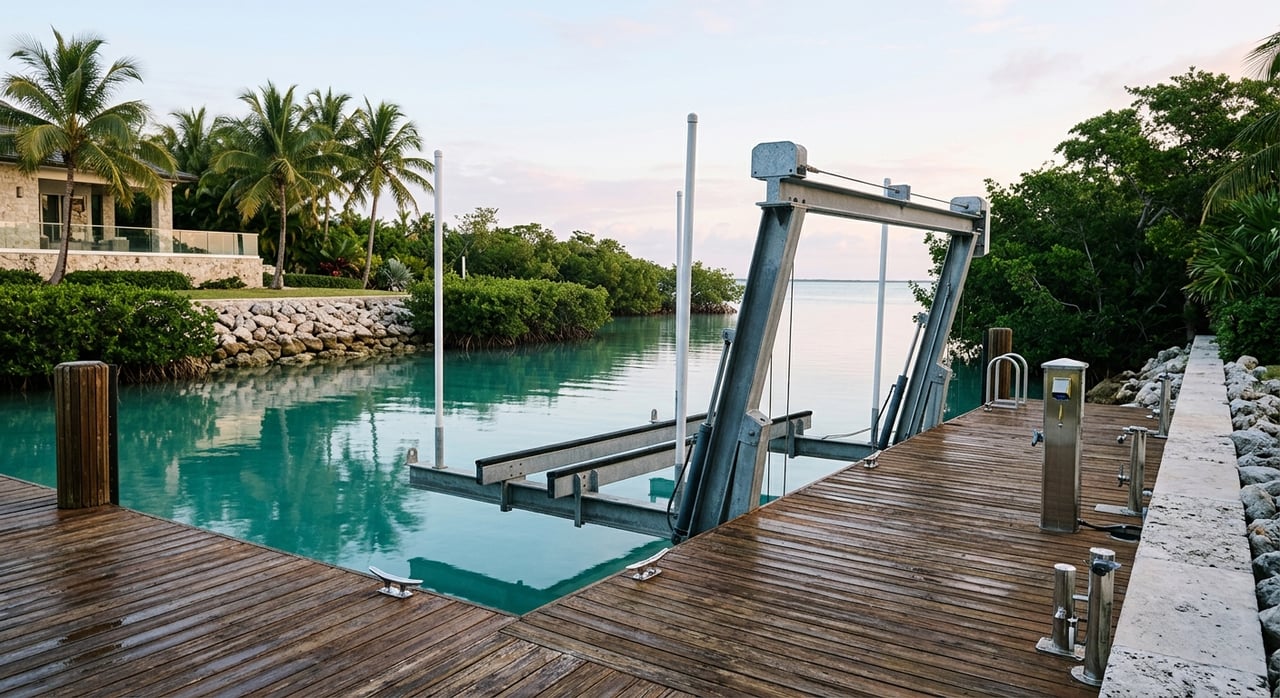
If you are the kind of buyer who checks dockage before countertops, Safety Harbor tends to stand out fast. In this part of Islamorada, boating is not just part of the lifestyle. It shapes how people evaluate access, run time, protection, and long-term ownership. If you want to understand why serious Keys boaters keep Safety Harbor on their radar, this guide will walk you through the boating advantages, the practical tradeoffs, and what to look for before you buy. Let’s dive in.
Why Safety Harbor Fits Boating-First Buyers
Safety Harbor refers to the Lower Matecumbe Key neighborhood around Mile Marker 74 on the bayside in Islamorada, within ZIP code 33036. In a place that identifies itself as the Sportfishing Capital of the World, boating is part of daily life, not a bonus feature. That matters if you want a home that works as a real base for time on the water.
What appeals to serious boaters is simple: protected canal-front living, meaningful dockage, and practical access to both backcountry and ocean-side boating routes. For many buyers, that combination is what makes a property useful instead of just scenic.
Canal Access Is a Big Part of the Draw
Islamorada’s canal network is one of the defining features of waterfront ownership here. The village notes that there are 64 canals totaling about 24 miles, and its infrastructure planning also highlights the scale of the residential canal system and the ongoing need for restoration in some areas due to circulation challenges. In other words, canals are central to the neighborhood layout and to how owners use their homes.
In Safety Harbor, current public listings point to the kind of specs boaters notice right away: 70 to 100 feet of dockage and 5 to 6 feet of control depth. Those numbers matter because they suggest room for larger vessels and a setup that can support more serious boating needs than a small recreational skiff lifestyle.
For buyers comparing neighborhoods, this is often the difference between “waterfront” and “boater-friendly.” A pretty shoreline may be enough for some owners, but experienced boaters usually want to know whether the dock actually fits the boat and whether the depth works with their draft.
Why Dockage Details Matter
If you plan to keep your boat at home, dockage length and depth are not minor details. They shape what type of vessel you can comfortably keep, how easy loading and maintenance feel, and whether the property truly supports your boating routine.
That is one reason Safety Harbor gets attention from boaters who think practically. The available dockage and reported depths signal that many homes here are designed for real use, not just waterfront curb appeal.
Access to Open Water Supports the Lifestyle
A protected canal setup is only part of the equation. You also want efficient access to open water, and this area benefits from key routes that connect Florida Bay and Hawk Channel.
According to NOAA navigation information on the Florida Keys, Channel Two and Channel Five connect Florida Bay and Hawk Channel, with reported controlling depths of 8 feet and 7 feet. NOAA also notes that Matecumbe Harbor’s entrance was reported at 5 feet, with deeper water inside. Together, those facts help explain why this area works well as a protected home base with practical access beyond the canal.
That said, the Keys are still the Keys. Shallow water is part of life here, and NOAA cautions that groundings on seagrass beds, tidal flats, and coral reefs are a real concern. For serious boaters, that does not take away from the appeal. It simply means local knowledge and careful navigation remain part of responsible ownership.
Protected Does Not Mean Effortless
Many buyers like the idea of keeping a boat in calmer canal water rather than fully exposed open-water frontage. That protection can make day-to-day use easier, especially for loading up, cleaning down, or preparing for changing weather.
Still, experienced owners understand that every route has depth considerations and local nuances. Safety Harbor appeals in part because it offers protection without losing the fast-access feel that many boaters want in Islamorada.
Short Runs Add Real Value
For serious anglers and active boaters, one of the biggest benefits is being close to productive water. You are not choosing a neighborhood based only on the house. You are also choosing how quickly you can be where you actually want to spend your time.
NOAA places Alligator Reef 4.5 miles east of Indian Key, and a local charter operator reports that it can be reached from Islamorada departure points in about 20 minutes. NOAA also identifies Cheeca Rocks as a shallow patch reef southeast of Upper Matecumbe Key, with waters ranging from about 8 to 20 feet.
For many boaters, that means reef access can be part of an easy day plan instead of a major expedition. You can get out, fish, snorkel, dive, or simply enjoy the water without feeling like every outing requires a long commitment.
Offshore Runs Are Still in Play
If your boating style includes offshore fishing, the area also puts you within range of well-known destinations. The Islamorada Hump sits about 15 miles offshore, while Salt Water Sportsman notes that the 409 Hump is farther offshore than the Islamorada Hump and the other major humps.
The smart way to think about Safety Harbor is this: it supports short reef runs and longer offshore runs, not one universal travel time from every dock. That is a more accurate way to evaluate the neighborhood if you are comparing it with other boating-centric areas in the Keys.
A Public Marina Option Adds Flexibility
Even if you plan to keep a boat at home, nearby marina access can still be useful. The village-owned Plantation Yacht Harbor Marina at Founders Park adds another layer of convenience with 83 slips, fuel, pump-out, and a 5-foot controlled depth.
That kind of nearby support can matter for overflow needs, service logistics, or buyers who want both private dockage and a public marina option close by. It also reinforces that boating infrastructure in this part of Islamorada is well established rather than incidental.
Sanctuary Rules Matter for Responsible Use
Part of being a serious boater in the Keys is understanding that great water access comes with environmental responsibility. Reef stops in this region sit within the sanctuary system, where mooring buoys are used and anchoring on living coral is prohibited.
That is not a drawback. It is part of what protects the very waters that make the area so valuable. Buyers who plan to spend meaningful time on the water should be prepared to navigate carefully and follow the rules that help preserve coral, seagrass, and shallow habitats.
Ownership Tradeoffs Are Real
The strongest neighborhood choices come from looking at both benefits and responsibilities. Safety Harbor has real boating appeal, but waterfront ownership in the Keys also requires a clear-eyed view of storm planning, flood exposure, and infrastructure.
The village’s habitat planning notes that coral reefs and seagrass beds help reduce wave impacts and shoreline erosion, with reefs reducing more than 85% of wave energy. At the same time, the village’s infrastructure planning warns that extremely low-elevation waterfront land faces tidal flooding and severe storm surge, and that flood insurance is required.
Monroe County also states that hurricane evacuation planning is based on a 24-hour clearance model, that boaters should evacuate early when possible, and that no one should ride out a storm on a boat. For buyers, that means owning here calls for preparation, not just enthusiasm.
Canal Maintenance Is Part of the Conversation
Because canals are such a major part of the neighborhood’s appeal, their condition matters. The village has acknowledged that some canals need restoration, and it has continued investing in that work, including $100,000 committed to its most impaired residential canals.
That should not scare off the right buyer. It should simply be part of your due diligence. If boating access is central to your purchase, understanding canal conditions, depth realities, and maintenance context is part of making a smart long-term decision.
Why Serious Boaters Keep Looking Here
Safety Harbor tends to appeal to buyers who think beyond the listing photos. They want to know how a property functions on a Tuesday afternoon, during mini-season traffic, or when the weather shifts and the boat still needs a practical place to live.
This neighborhood makes sense because it offers a compelling mix of canal-front protection, substantial dockage, useful depths, and proximity to the waters that draw people to Islamorada in the first place. Add the area’s strong boating identity, and it is easy to see why many experienced buyers give it a serious look.
If you are evaluating waterfront property in the Keys, the right question is not just whether a home is on the water. It is whether the location supports the way you actually boat. That is where local guidance can make all the difference.
When you are ready to sort through dockage, depths, access, and the real-world pros and cons of buying here, The Florida Keys Sold Sisters can help you navigate Safety Harbor with the kind of local, boating-informed perspective that serious waterfront buyers value.
FAQs
Why does Safety Harbor appeal to serious boaters in Islamorada?
- Safety Harbor appeals to serious boaters because it combines canal-front protection, reported dockage of 70 to 100 feet, control depths of 5 to 6 feet, and practical access to major boating routes and fishing grounds.
What kind of dockage can buyers find in Safety Harbor?
- Current public listings in Safety Harbor show canal-front homes with about 70 to 100 feet of dockage, which can be attractive for buyers with larger vessels or more demanding boating needs.
How deep are the canals and access points near Safety Harbor?
- Public listings report control depths of 5 to 6 feet in Safety Harbor, while NOAA notes Channel Two and Channel Five have reported controlling depths of 8 feet and 7 feet, and Matecumbe Harbor’s entrance was reported at 5 feet with deeper water inside.
How close is Safety Harbor to Islamorada reef and offshore fishing spots?
- Safety Harbor offers relatively short access to reef areas like Alligator Reef and Cheeca Rocks, while the Islamorada Hump is about 15 miles offshore, making the area suitable for both shorter reef runs and longer offshore trips.
What boating risks should buyers consider in Safety Harbor?
- Buyers should account for shallow-water navigation, possible grounding risks on seagrass beds, tidal flats, and coral reefs, plus practical ownership issues like flood insurance, evacuation planning, and canal maintenance.
Is there a marina near Safety Harbor in Islamorada?
- Yes. The village-owned Plantation Yacht Harbor Marina at Founders Park offers 83 slips, fuel, pump-out service, and a 5-foot controlled depth, which adds flexibility for local boaters.