Trying to choose between a canalfront home and an open-water property in Key Largo? You’re not alone. The right choice comes down to how you boat, how you live day to day, and how you want to balance views, exposure, and budget. In this guide, you’ll learn the key tradeoffs for access, wind and wake, privacy, costs, and rules, plus a quick buyer checklist to keep your search focused. Let’s dive in.
What counts as canal vs open water
In Key Largo, “open water” usually means a home with direct exposure to the Atlantic or a broad, unobstructed channel. “Canalfront” refers to lots on man-made or natural canals and interior channels that connect to larger waterways. Both can deliver great boating and a classic Keys lifestyle. The difference is how quickly you reach deep water, how exposed your dock is, and what you pay to own and maintain it.
Boating access and daily convenience
Open-water homes give you the quickest run to deep water, reefs, and offshore fishing. You avoid narrow canals and fixed bridges, which is helpful for larger boats and fast reef trips. You’ll feel the elements more at the dock, so docking may take more skill when it’s blowing.
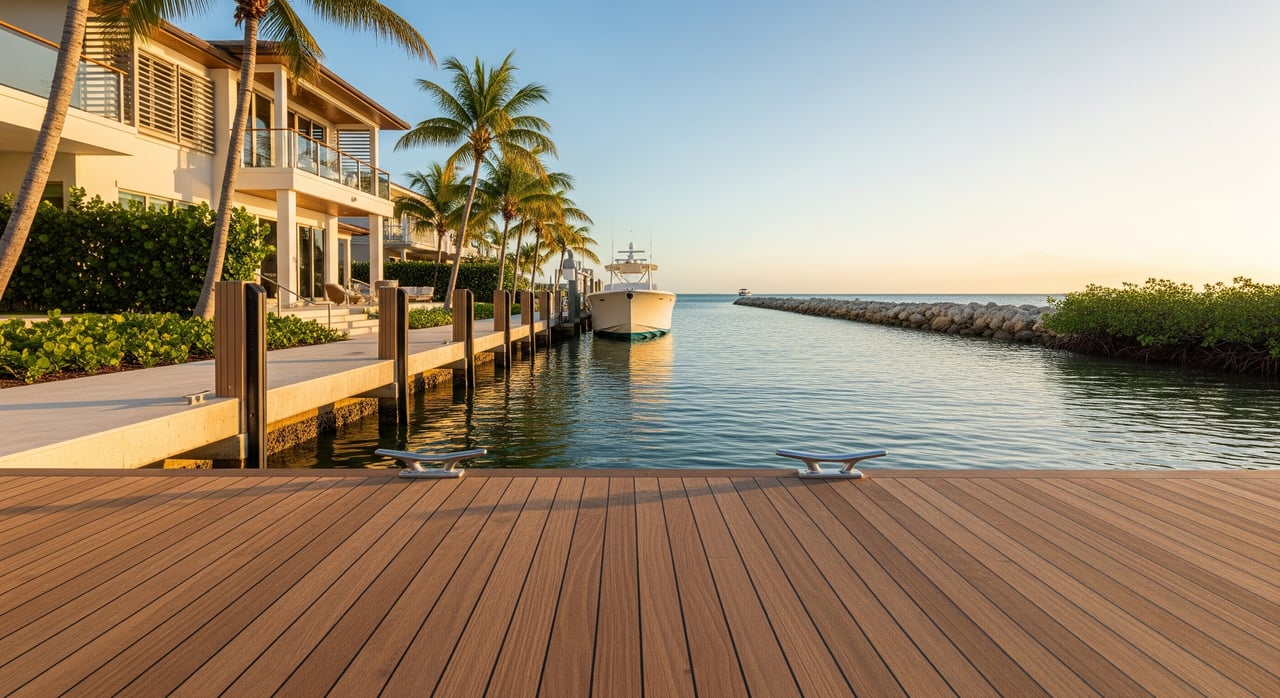
Canalfront homes offer calmer, protected water for docking and boarding. Loading gear, working on the boat, and hosting guests is often easier and safer in the canal’s shelter. The tradeoff is transit time and potential size limits if canals are shallow, narrow, or bridged. Always confirm your intended boat size against depths and turning room.
Wind, waves, and wake
Open-water exposure means more wind-driven waves and wakes from passing vessels. That can put extra stress on pilings and seawalls and may call for heavier-duty hardware and more frequent inspections. On rough days, you’ll plan boat time around conditions.
Canalfront water is generally calmer, which protects docks and makes everyday chores simpler. Some canals see steady boat traffic and wake, but you’ll still feel less swell than on an exposed shoreline. If you value predictable, easy dock time, this can matter a lot.
Privacy, views, and noise
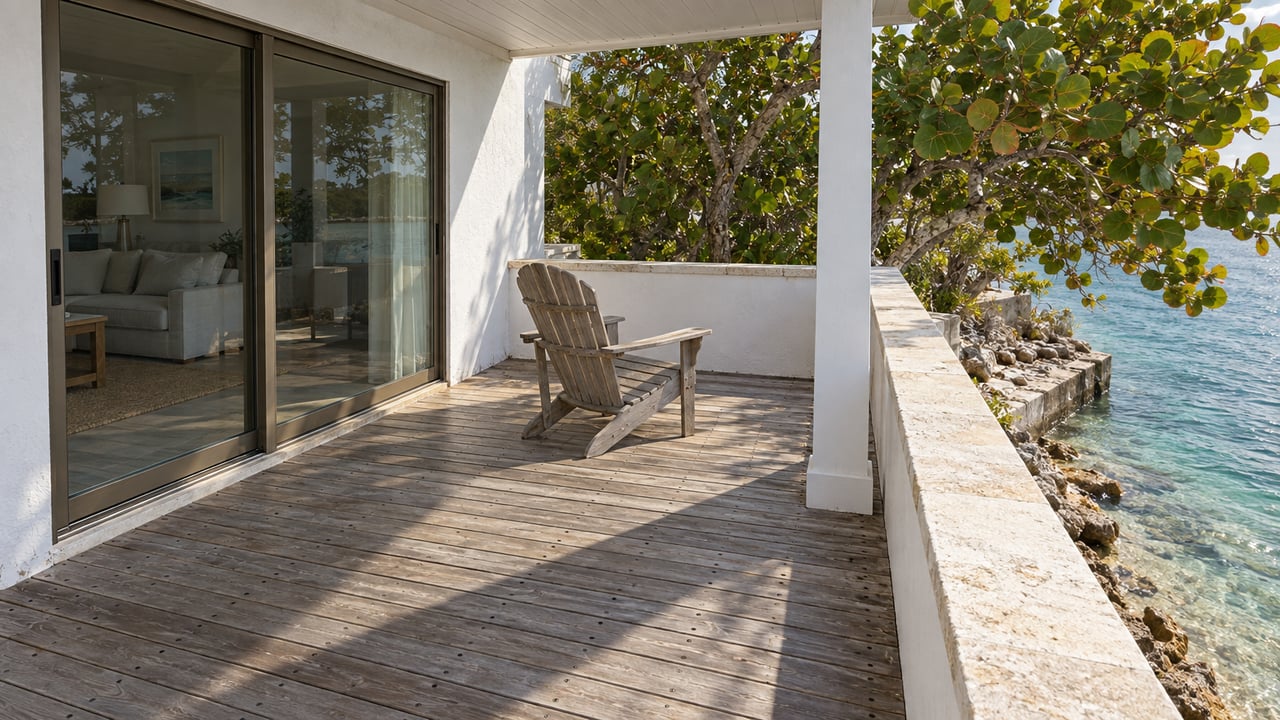
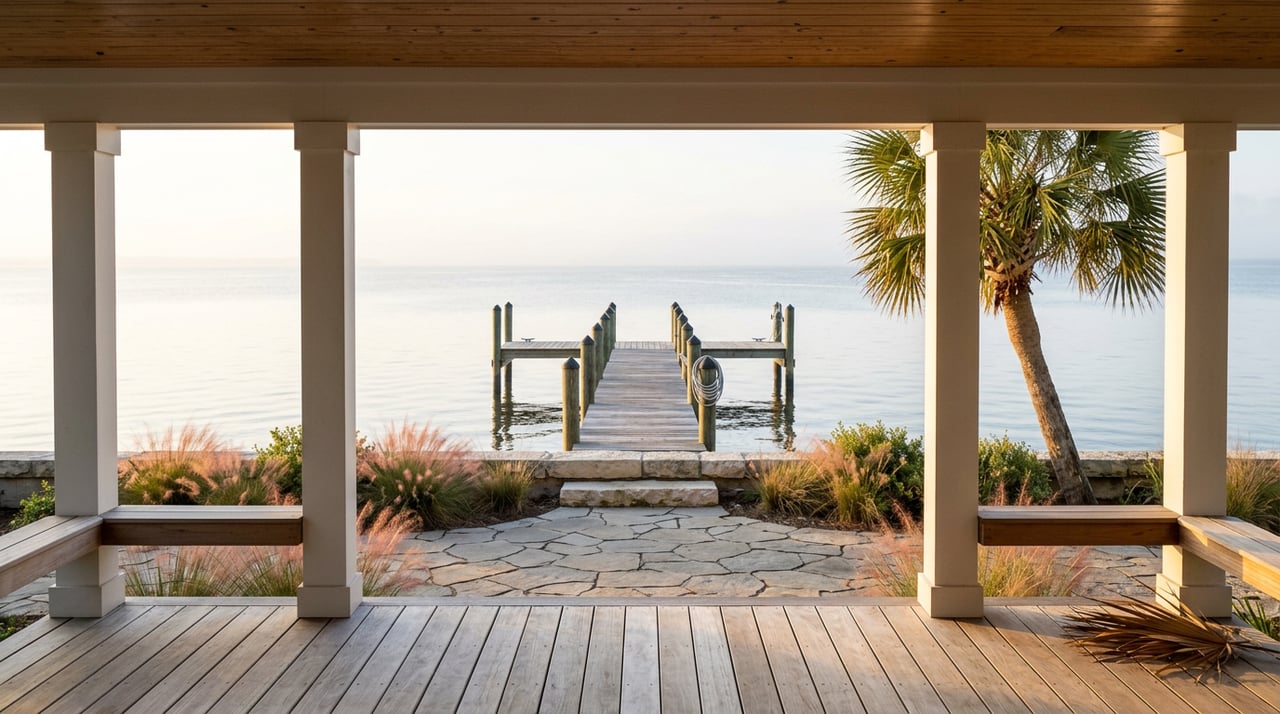
Open-water properties deliver panoramic views and dramatic sunrise or sunset angles, depending on orientation. You’ll likely have more distance to neighbors across the water, but you may hear more pass-by boat traffic near busy routes or marinas.
Canal homes feel more enclosed and private from wind, and many are quieter day to day. Views are narrower and neighbors can be closer across the canal, which reduces sightlines. Choose based on how much you prioritize a sweeping horizon versus a tucked-away vibe.
Fishing and recreation
Open-water homes put you on a fast track to reefs, snorkeling sites, and offshore fishing grounds, including access routes near John Pennekamp Coral Reef State Park. If quick reef access is your priority, this is a major plus.
Canal homes shine for inshore fun. Dock fishing, paddleboarding, kayaking, and small-boat outings are easy in calm water. If your routine is more about casual time on the water and family-friendly boarding, a canal can fit perfectly.
Costs: price, maintenance, insurance
Pricing tends to reflect lifestyle value. In many markets, open-water frontage carries a premium for the views and speedy access. The size of that premium varies by neighborhood, lot and dock features, and market cycle. In Key Largo, check current MLS comps to see the latest spread before you decide.
Maintenance is part of waterfront living everywhere in the Keys. Both property types require dock, piling, and seawall upkeep. Saltwater wear, marine borers, and hardware fatigue are common. Open-water exposure can increase demands on pilings, lifts, and seawalls because of higher wave energy and wake. Plan for more frequent inspections after storms.
Insurance and risk-related costs depend on details like FEMA flood zone, elevation, and wind exposure. Open-water homes can face greater storm surge and wind exposure, which may influence flood and windstorm premiums and deductibles. Lenders often require flood insurance in Special Flood Hazard Areas. Ask for the FEMA Flood Insurance Rate Map, the elevation certificate, and a wind mitigation review early in your process.
Rules, permits, and safety
Waterfront work usually needs permits. Docks, seawalls, and boat lifts commonly require approvals from Monroe County, the Florida Department of Environmental Protection, and the U.S. Army Corps of Engineers, with added protections for seagrass and coral. Expect constraints and timelines that affect cost and feasibility.
Boating rules are active across Key Largo. John Pennekamp Coral Reef State Park uses mooring buoys and reef-protection policies to safeguard coral. The Florida Fish and Wildlife Conservation Commission and Monroe County enforce manatee protection and speed/no-wake zones in canals and near shorelines. These rules influence both your boating habits and the ambient noise around your home.
Florida Building Code and local amendments set hurricane-resistant standards and elevation requirements. Confirm when a home was built or elevated and how it performs under current code expectations.
Buyer checklist: questions and steps
Use this quick due diligence list to protect your purchase and align it with your lifestyle.
Flood and elevation
- Request FEMA flood zone and the elevation certificate.
- Ask about any history of flooding or storm repairs.
Dock, seawall, and depth
- Verify permits and closed permits for dock, seawall, pilings, and lifts.
- Confirm water depth at mean low tide and any dredging history.
- Check turning room and bridge clearances against your boat.
Access and transit time
- Map the route to open channels or marinas and estimate transit time.
- Note any no-wake zones or fixed bridges along your route.
Inspections and experts
- Hire a marine surveyor or dock contractor for the waterfront structures.
- Use a home inspector with coastal experience for wind mitigation and foundations.
- Consult a local insurance broker for flood and windstorm estimates before you offer.
Contract points to clarify
- Assign responsibility for dock or seawall repairs and confirm permits.
- Add contingencies for satisfactory marine and elevation inspections.
Which one fits your lifestyle?
If you want the fastest run to the reef, sweeping views, and you are comfortable with more exposure and upkeep, an open-water home can be worth the premium. If you prize calm dockage, easier boarding, and a quieter daily rhythm at a potentially lower entry price, a canalfront property may be your best fit.
The right answer depends on your boat, your routine, and your budget for maintenance and insurance. A property-by-property review is essential in Key Largo, where depth, bridges, and exposure can change with each street.
Next steps
Walk the dock at low tide, time the run to open water, and line up your marine and insurance pros early. When you are ready to compare specific neighborhoods and comps, connect with a team that knows the waterfront details. For a personal game plan and curated options in Key Largo, reach out to The Florida Keys Sold Sisters for concierge guidance.
FAQs
What is the main difference between canalfront and open-water homes in Key Largo?
- Open-water homes offer direct exposure and fastest deep-water access with more wind and wake, while canalfront homes provide sheltered dockage with longer transit to open water.
How do insurance costs usually compare for canal vs open-water homes in Monroe County?
- Premiums depend on FEMA flood zone, elevation, wind exposure, and mitigation features, with open-water homes often facing higher exposure that can influence pricing.
Are there boat size or bridge limits in Key Largo canals?
- Many canals have depth, width, and fixed-bridge constraints, so you should confirm mean low tide depth, turning room, and clearances for your specific boat.
What permits are needed to build or modify a dock or lift?
- Dock, seawall, dredge, or lift work typically requires Monroe County permits plus approvals from Florida DEP and the U.S. Army Corps of Engineers, depending on the activity.
Do open-water homes require heavier-duty dock materials?
- Increased wind, wave, and wake exposure on open water often calls for stronger pilings, higher-rated cleats, and more frequent inspections after storms.
How do local boating rules affect daily life near the water?
- Manatee protection and speed/no-wake zones can reduce speeds in canals, while reef-protection rules near John Pennekamp guide anchoring and access to snorkeling and fishing areas.